Waterproof Raincoats for Small Dogs: Easy to Wear & Protective
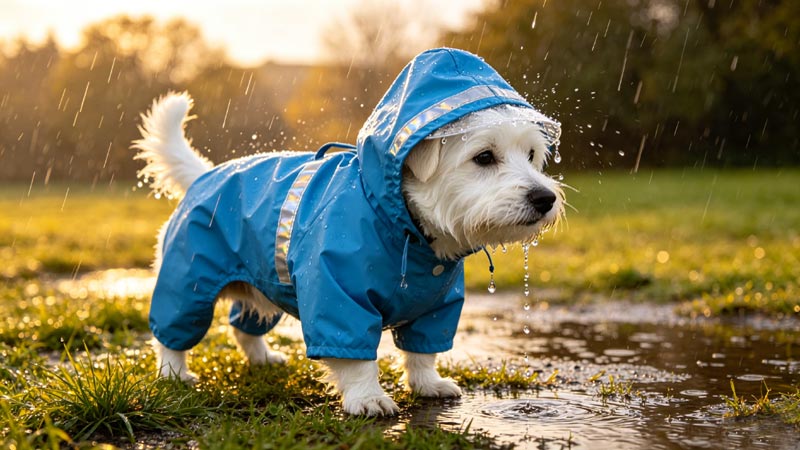
Image generated by AI
Every small-dog parent knows the struggle: the sky turns gray, the first raindrops fall, and your pup looks up at you with those "please don’t make me go out there" eyes.
For toy and small breeds, rainy weather is more than just a minor inconvenience. Because they sit so close to the ground, have less body mass, and lose heat rapidly, small dogs can get dangerously chilled within minutes of getting wet. A quality waterproof raincoat isn’t just a fashion statement—it’s essential gear to keep your pup healthy and make your rainy-day walks stress-free. Let’s look at how to choose a coat that actually works and is easy to slip on a squirming dog.
Why Rain Protection is a Big Deal for Small Breeds
Big dogs can usually shake off a downpour, but small dogs face a few unique challenges:
● Rapid Heat Loss: Breeds like Chihuahuas, Yorkies, and Min Pins have tiny bodies and fast metabolisms. Once their coats get soaked, their core temperature plummets, putting them at real risk for catching a cold or even getting hypothermia.
● Skin Issues: Many small dogs have fine, single-layer coats that offer zero natural water resistance. When wet fur stays pressed against their skin, it creates a perfect breeding ground for bacteria and fungi, leading to itchy hot spots long after the rain stops.
● The "Splatter" Effect: Because they are low to the ground, their bellies get bombarded by muddy splash-back from sidewalks and wet grass.
● Bathroom Strikes: If a small dog is miserable and shivering, they will refuse to walk, disrupting their exercise and bathroom schedules (which often leads to accidents indoors).
3 Key Features to Look For
1. Truly Waterproof + Breathable Materials
Look for nylon or polyester coated with PU (polyurethane) or TPU laminates. Water should bead right off the surface. However, it must be breathable. Cheap plastic dog raincoats act like greenhouse traps, making your dog sweaty, uncomfortable, and prone to skin irritation. Sealed seams are a huge plus to keep water from leaking through the stitching.
2. Feather-Light Design
Small dogs hate feeling weighed down. If a raincoat is stiff or heavy, your Pomeranian or Dachshund will likely freeze in place and refuse to move. Look for ultra-thin, flexible fabrics that move with your dog so they can trot, sniff, and do their business naturally.
3. Hassle-Free Closures
Wrestling a squirming dog into clothes while it's pouring rain outside is a nightmare. Velcro is the undisputed king of speed—it lets you wrap and secure the coat in seconds. Snap buttons are also great for wriggly dogs. Avoid complicated zippers that can easily catch on your dog's fur.
Classic Raincoats vs. Cute Ponchos: Which is Better?
| Feature | Classic Full-Coverage Raincoat | Cute Dog Poncho / Cape |
|---|---|---|
| Design | Fitted coat with full back coverage, a hood, and often a belly panel. | Looser, cape-like silhouette that drapes over the back and sides. |
| Protection | Max protection. Keeps the back, head, and belly safe from rain and muddy splash-back. | Moderate protection. Keeps the back dry, but wind can blow it around and bellies get wet. |
| Ease of Use | Takes a little more effort to adjust and fit properly around the legs/belly. | Super fast. Usually just one or two fastening points at the chest or neck. |
| Best For... | Heavy downpours, windy days, and long or active walks. | Light drizzle, quick potty breaks, and dogs who hate fitted clothes. |
Step-by-Step Buying & Styling Guide
Step 1: Measure (Don’t Guess!)
A Cavalier King Charles Spaniel and a Toy Poodle might both be listed as a "Small," but their body shapes are completely different. Grab a flexible tape measure and get three numbers:
1. Neck Girth: Where the collar sits.
2. Chest Girth: The widest part right behind the front legs.
3. Back Length: From the base of the neck to the base of the tail.
* The Two-Finger Rule: Always choose a size that allows you to comfortably slide two fingers between the fabric and your dog's body. Too tight restricts breathing; too loose allows wind and rain to blow underneath.
Step 2: Match Their Vibe and Your Routine
If your dog is a high-energy pup who charges through puddles, choose a structured coat with secure belly coverage. If your dog prefers short, leisurely strolls just to relieve themselves, a simple, stylish poncho (from brands like Fitwarm) is perfectly fine and much faster to put on.
Step 3: Train for Rain (Don't Force It)
Never force your dog into a raincoat for the first time right as you're stepping into a storm.
● Day 1: Leave the raincoat on the floor. Let them sniff it, and give them a treat.
● Day 2: Drape it gently over their back indoors without fastening it. Reward with a high-value treat.
● Day 3: Fasten the straps, let them walk around the living room, and throw a mini praise party. By the time it actually rains, they’ll associate the coat with good things.
Cleaning & Maintenance Tips
● After every walk: Shake off the excess water and wipe down the belly area with a damp cloth to remove mud.
● Deep cleaning: Machine wash on a gentle, cold cycle with mild detergent. Never use fabric softeners or bleach, as they destroy the waterproof coating.
● Drying: Air-dry completely by hanging it up. Never throw it in a high-heat dryer, which can melt the waterproof membrane. Storing a damp raincoat invites mildew and terrible odors.
The Verdict
Investing in a proper raincoat isn’t about making your dog look cute (though that’s a great bonus)—it’s about protecting their health. If you face heavy storms, go with a classic full-coverage raincoat to keep them bone dry. If you just need something quick for light showers, a lightweight poncho is a lifesaver. Either way, you'll save yourself from having to spend 20 minutes with a hairdryer drying off a miserable, wet dog every time it rains!
You May Also Like
 Cat BehaviorHow A Cat's Sense Of Smell Compares To A Dog's: The Surprising Results
 Cat HealthThe Cat's Nose Is Dry, Is It Sick?
 Help & AdviceCan A Cat's Whiskers Be Cut?
 Cat BehaviorWhat Colors Can A Cat's Eyes Distinguish?
 Cat BehaviorCan Cats Sense Their Owner's Emotions?
 Cat BehaviorCan You Rename An Older Cat?